Blog
Patio Installation: What Every Sudbury, Lincoln & Concord, MA Homeowner Should Know Before Building
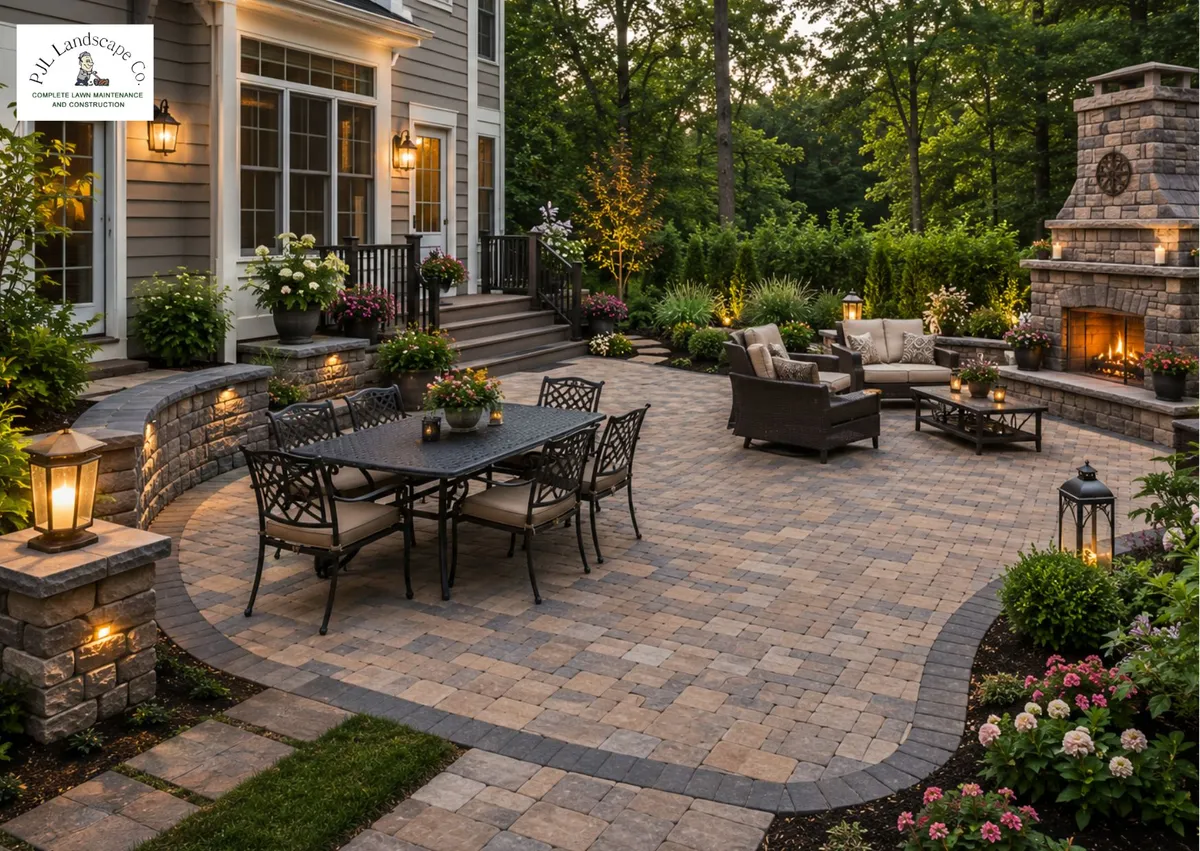
A professionally installed patio can become the centerpiece of your outdoor living space, creating the perfect place to relax, entertain, and spend time with family. However, not every patio is built to last. The difference between a patio that performs beautifully for 20 years or more and one that develops cracks, sinking pavers, drainage issues, or weed growth within a few seasons comes down to proper installation.
At PJL Landscapes, we've built patios throughout Sudbury, Lincoln, and Concord, MA, and we've seen firsthand how New England's freeze-thaw cycles affect poorly installed hardscapes. From choosing the right materials to preparing a solid base and ensuring proper drainage, every step matters. This guide explains everything homeowners need to know about patio installation, including material options, the installation process, cost factors, common mistakes to avoid, and how to build a patio that stands the test of time.
Why Patio Installation Matters More Than Most Homeowners Realize
A patio isn't just pavers or stone sitting on dirt. A properly installed patio is really an engineered system: excavation depth, compacted base material, drainage slope, edge restraints, and jointing sand all work together to keep the surface flat and stable through years of frost heave, rain, and heavy use.
Skip any one of these steps, and you'll eventually see the telltale signs, sinking pavers, cracked concrete, weeds pushing through joints, or standing water after every storm. That's why professional patio installation consistently outperforms DIY kits or budget contractors who cut corners on base prep.
Patio Material Options: Choosing What Fits Your Home
Paver Patios
Concrete or brick pavers remain the most popular choice for New England homeowners because they're durable, repairable (a single damaged paver can be replaced without redoing the whole patio), and available in dozens of colors and patterns. Properly installed paver patios can last 25–30 years.
Natural Stone Patios
Bluestone, fieldstone, and flagstone give a more organic, upscale look. Natural stone patios pair especially well with homes in Lincoln and Concord that lean toward classic New England architecture. They cost more than pavers but offer a timeless appearance that ages gracefully.
Concrete Patios
Poured concrete, whether stamped, brushed, or exposed aggregate, is a budget-friendly option that works well for simple, clean-lined outdoor spaces. It requires proper reinforcement and control joints to prevent cracking through Massachusetts winters.
The Patio Installation Process, Step by Step
Design consultation - We assess your yard's grading, sun exposure, and how the patio will connect to your home and existing landscaping.
Excavation - The area is dug out to the correct depth for your soil type and chosen material, typically 6–10 inches for pavers.
Base preparation - A compacted layer of crushed stone forms the foundation. This step is the single biggest factor in whether a patio lasts or fails.
Drainage and slope - Patios are sloped away from the home (usually a 1–2% grade) to prevent water pooling near your foundation.
Installation - Pavers, stone, or concrete are laid according to your chosen pattern, with attention to consistent spacing and level.
Edge restraints and jointing - Restraints lock the perimeter in place, and polymeric sand or mortar fills the joints to prevent shifting and weed growth.
Final walkthrough - We review the finished patio with you and cover any care recommendations.
Most residential patio projects in our service area take between a few days and two weeks, depending on size, material, and whether firepits, seating walls, or lighting are included.
Patio Installation in Lincoln, MA
Homeowners in Lincoln, MA often have larger, wooded lots with more complex grading and drainage needs than surrounding towns. Lincoln's mix of historic and modern homes also means patio design needs to feel intentional rather than generic. Our Lincoln clients frequently pair natural stone or paver patios with retaining walls or seating walls to work with, rather than against, sloped terrain. If you're planning patio installation in Lincoln, MA, we recommend starting with a site visit so we can plan drainage and base depth around your specific soil conditions.
Pairing Your Patio with Lawn Installation & Sod Work in Concord, MA
A new patio changes the way the rest of your yard looks, which is why many Concord homeowners tackle lawn installation and sod work at the same time as their hardscaping project. Fresh sod around a newly built patio gives your entire outdoor space a finished, cohesive look immediately, rather than waiting months for seed to fill in.
For lawn installation in Concord, MA, proper prep matters just as much as it does for patios: grading, soil amendment, and drainage all need to be addressed before sod goes down. Skipping soil prep is the most common reason new lawns struggle in their first year. When you combine patio and lawn projects, we coordinate grading across both so water drains properly away from your new hardscape and your new turf establishes evenly.
How Much Does Patio Installation Cost?
Patio costs vary based on square footage, material choice, site accessibility, and added features like firepits or lighting. Concrete patios tend to be the most budget-friendly, pavers fall in the mid-to-upper range, and natural stone typically sits at the top due to material and labor costs. The most accurate way to get a number for your project is a free, on-site consultation, since soil conditions and drainage needs vary significantly even between neighboring properties in Sudbury, Lincoln, and Concord.
Common Patio Installation Mistakes to Avoid
Skipping proper base compaction to save time or money, this is the leading cause of sinking and shifting.
Ignoring drainage slope, which leads to pooling water and, eventually, foundation issues.
Using loose sand as jointing material instead of polymeric sand, which invites weeds and ant colonies.
Choosing materials not rated for freeze-thaw cycles, which crack or heave after a few New England winters.
Hiring based on price alone rather than experience with local soil and climate conditions.
Why Homeowners Choose PJL Landscapes
PJL Landscapes has built patios, walkways, retaining walls, and full outdoor living spaces throughout Sudbury, Lincoln, Concord, Acton, Wayland, and the surrounding communities. We understand the specific soil, drainage, and freeze-thaw challenges of Massachusetts properties, and we build every patio with base preparation and drainage as the priority, not an afterthought.
Whether you're planning a simple paver patio, a full outdoor living space with a firepit, or bundling your patio project with lawn installation and sod work, our team handles design through final walkthrough with clear communication at every step.
Conclusion
A new patio is more than just an outdoor surface, it's an investment in the comfort, beauty, and functionality of your home. Whether you're planning a simple paver patio or a complete outdoor living space with retaining walls, lighting, and landscaping, starting with proper design and installation is the key to long-lasting results. PJL Landscapes proudly serves homeowners throughout Sudbury, Lincoln, Concord, and surrounding Massachusetts communities with custom patio solutions built to withstand New England's changing seasons. Contact us today to schedule your free consultation and start planning your outdoor space.
Frequently Asked Questions
How long does patio installation take?
Most residential patios are completed in a few days to two weeks, depending on size, material, and additional features like firepits or seating walls.
What's the best patio material for Massachusetts winters?
Pavers and natural stone both perform well through freeze-thaw cycles when installed with proper base depth and drainage. Poured concrete requires reinforcement and control joints to avoid cracking.
Can I install a lawn and patio at the same time?
Yes. Many homeowners in Concord and surrounding towns combine patio installation with lawn installation or sod work so grading and drainage are coordinated across the entire yard for a cohesive finished look.
Do you serve Lincoln, MA for patio projects?
Yes, PJL Landscapes regularly installs patios throughout Lincoln, MA, including projects on sloped or wooded lots that require additional grading and drainage planning.
Is a permit required for patio installation in Massachusetts?
Permit requirements vary by town and project scope. We help homeowners understand local requirements as part of the design consultation.

Get In Touch

QUICK LINKS
Social Media Links
Instagram
Facebook
Youtube
Twitter
Contact Details
5 Willow St , Acton MA 01720
Privacy Policy | Term & Condition | FAQ
Copyright © 2026 PJL Landscapes. All rights reserved.