
Blog
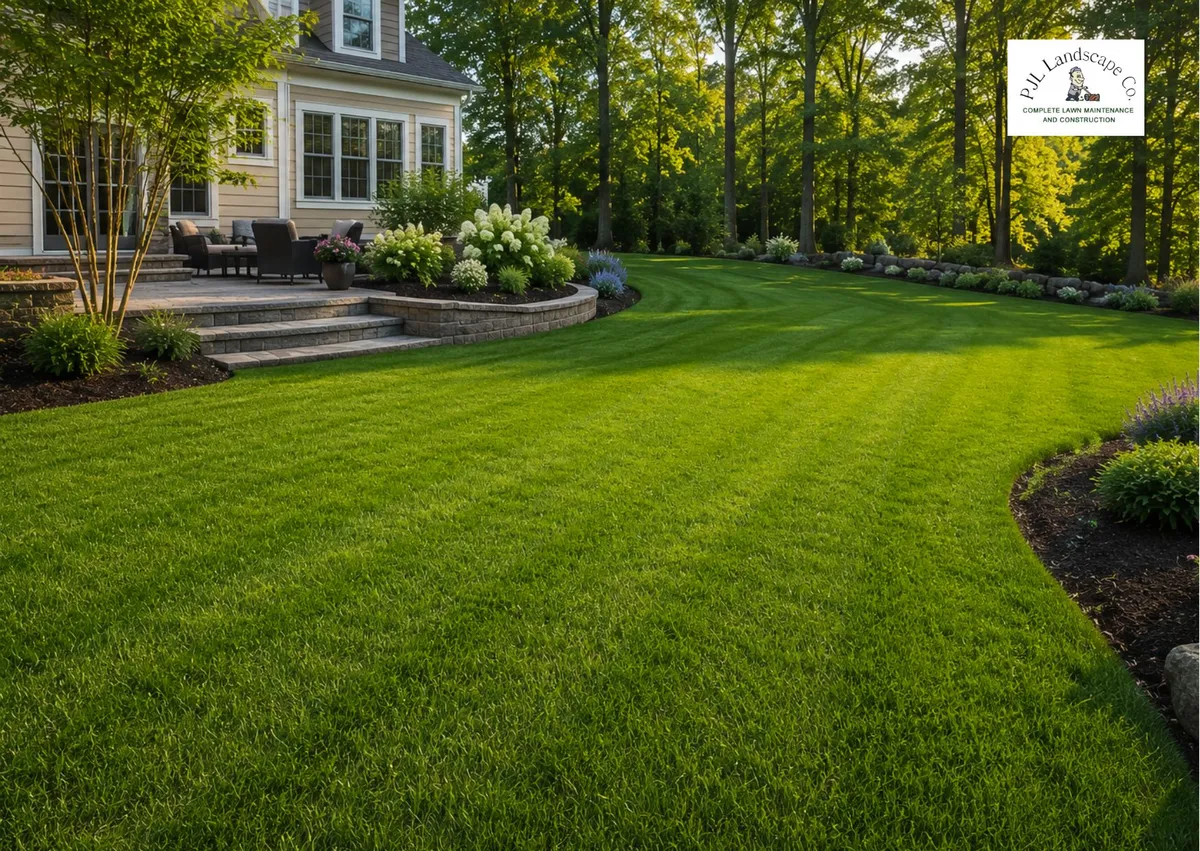
How to Get a Lawn That Lasts: A Lawn Installation Guide for New England Yards
A patchy, uneven, or bare lawn is one of the fastest things to drag down a beautiful property. The good news: lawn installation, whether through sod or seed, can transform that tired yard into a thick, healthy, green space in a matter of days, not years. But not all lawn installations are created equal, and the method, timing, and prep work you choose will determine whether your new lawn thrives for decades or struggles from the start.
At PJL Landscapes, we've installed lawns across Sudbury, Acton, Concord, Lincoln, Wayland, and the surrounding Massachusetts communities, and we've seen firsthand what separates a lawn that lasts from one that needs to be redone two years later. This guide covers everything you need to know: what lawn installation actually involves, sod vs. seed, cost factors, ideal timing for New England, and how to choose the right team for the job.
What Is Lawn Installation?
Lawn installation is the process of establishing a new, healthy turf area from the ground up. It typically involves assessing the soil and drainage, grading the yard for proper water flow, amending or replacing poor soil, and then laying sod or applying seed to grow a mature lawn. Unlike simple lawn care or mowing, lawn installation addresses the entire foundation of your yard, so the grass that grows in is healthier, denser, and more resistant to disease, drought, and weeds than what was there before.
Homeowners typically pursue lawn installation for a few common reasons:
Building a new home or addition and starting with bare soil
Replacing a lawn that's overrun with weeds, grubs, or dead patches
Correcting drainage or grading problems that keep killing the grass
Increasing curb appeal before selling a property
Switching from a high-maintenance lawn to a more durable, low-maintenance variety
Sod vs. Seed: Which Lawn Installation Method Is Right for You?
This is the question almost every homeowner asks first, and the honest answer is: it depends on your budget, timeline, and goals.
Sod installation involves laying pre-grown grass in rolled strips directly onto prepared soil. The biggest advantage is speed, you get a fully green, walkable lawn in about a day, with minimal erosion risk and near-instant curb appeal. Sod is a strong choice for homeowners who need fast results, have pets or kids who will use the yard right away, or are dealing with a sloped yard prone to washout during germination.
Seeding and overseeding is the more budget-friendly, natural approach. Grass seed is spread over prepared soil and allowed to germinate and grow in over several weeks. While it takes longer to establish, seeding often produces a lawn with a deeper, stronger root system over time, and it gives you more flexibility in choosing specialized grass blends suited to sun, shade, or foot traffic conditions. Overseeding is also the go-to option for revitalizing an existing lawn without a full teardown.
Neither method is universally "better", a professional assessment of your soil, sun exposure, and use case is the real deciding factor.
The Lawn Installation Process, Step by Step
A properly installed lawn isn't just about rolling out sod or scattering seed. The process that determines long-term success includes:
Site assessment – Evaluating soil composition, drainage patterns, sun exposure, and existing grade.
Soil preparation and grading – Removing debris and old turf, amending soil for nutrients and pH, and grading the yard so water flows away from the foundation instead of pooling.
Installation – Laying sod in staggered rows for a seamless look, or applying seed with proper seed-to-soil contact and starter fertilizer.
Edging and definition – Creating clean borders between the lawn and garden beds, walkways, or driveways for a polished finish.
Establishment care – Watering schedules, initial mowing guidance, and monitoring to make sure the new lawn takes root successfully.
Skipping any of these steps, especially soil prep and grading, is the most common reason DIY or budget lawn jobs fail within the first year.
How Much Does Lawn Installation Cost?
Lawn installation cost varies based on a few key factors:
Size of the area being sodded or seeded
Method chosen (sod typically costs more upfront than seed, but delivers faster results)
Soil condition, heavily compacted, rocky, or poorly draining soil requires more prep work
Grading and drainage corrections needed before installation
Grass variety selected for your yard's sun and traffic conditions
Because every property is different, the most accurate way to get a number is a site visit and custom assessment rather than a generic per-square-foot estimate. PJL Landscapes provides free, no-pressure consultations so you know exactly what you're paying for before work begins.
Best Time of Year for Lawn Installation in New England
In Massachusetts, timing matters. Cool-season grasses (the type most common in our region) establish best during late summer through early fall (late August–September) and again in early spring (April–May). Fall is generally considered the ideal window because warm soil and cooling air temperatures reduce weed competition and stress on new turf, while roots have months to establish before summer heat arrives. Sod can technically be installed anytime the ground isn't frozen, but seeding is far more time-sensitive and works best within these windows.
Signs Your Lawn Needs a Full Installation (Not Just Repair)
Bare or dead patches covering more than 30–40% of the yard
Persistent drainage problems causing standing water or erosion
Weeds or crabgrass have taken over more area than actual grass
Soil is compacted, rocky, or contaminated with construction debris
You're renovating your outdoor space and want a fresh start
If your lawn issues are more localized, overseeding or targeted repair may be enough, a professional assessment can tell you which route saves you the most money long-term.
Complete Your Outdoor Transformation
A new lawn is often just one piece of a larger outdoor upgrade. Many PJL Landscapes clients pair their lawn installation project with other improvements to get the most value out of a single visit from our crew. If you're already planning yard work, it's worth considering:
Fence installation in Sudbury, MA - A freshly installed lawn paired with a new fence instantly upgrades privacy, security, and curb appeal, and coordinating both projects together means less disruption to your yard overall.
Masonry repair in Lincoln, MA - Cracked walkways, crumbling steps, or damaged stone walls can undercut even the healthiest new lawn. Addressing masonry issues before or alongside lawn installation protects your investment and keeps water damage from spreading into your new turf.
Bundling projects like these isn't just convenient, it also helps ensure grading, drainage, and hardscaping all work together instead of against each other.
Conclusion
A beautiful, long-lasting lawn starts with more than just laying sod or spreading seed, it begins with proper planning, soil preparation, and expert installation. Whether you're replacing a worn-out yard or creating a brand-new landscape, choosing the right lawn installation method and addressing grading and drainage from the start will help your lawn stay healthy for years to come. If you're considering lawn installation in Sudbury, Acton, Concord, Lincoln, Wayland, or nearby Massachusetts communities, PJL Landscapes is here to help. Our team provides customized recommendations, quality materials, and careful installation tailored to your property's unique conditions. Contact PJL Landscapes today for a free consultation and take the first step toward a greener, healthier lawn you'll enjoy season after season.
Frequently Asked Questions
How long does lawn installation take?
Sod installation is typically completed in a single day for most residential yards. Seeding takes less time to install but several weeks to fully establish and become walkable.
Can I install a lawn myself?
You can, but soil prep, grading, and drainage correction are where most DIY lawn projects fail. Professional installation ensures the foundation is right the first time, which saves money on repairs later.
Will my new lawn survive a New England winter?
Yes, when installed with the right grass variety, proper timing, and adequate root establishment before the first frost, a professionally installed lawn is built to handle the region's seasonal swings.
Do you offer other landscaping services alongside lawn installation?
Yes. PJL Landscapes offers a full range of services including fence installation, masonry repair, patios, retaining walls, and drainage solutions, so your entire property can be upgraded in one coordinated plan.
Can a new lawn be installed over my existing grass?
In most cases, no. For the best long-term results, existing grass, weeds, and debris should be removed, and the soil should be properly prepared before installing new sod or seed. This creates a healthier foundation for strong root growth.
How soon can I mow my new lawn after installation?
For sod, wait until the grass has rooted firmly, usually about 2–3 weeks after installation. For seeded lawns, mow once the grass reaches about 3–4 inches in height, using a sharp mower blade and avoiding cutting more than one-third of the grass length at a time.

Get In Touch

QUICK LINKS
Social Media Links
Instagram
Facebook
Youtube
Twitter
Contact Details
5 Willow St , Acton MA 01720
Privacy Policy | Term & Condition | FAQ
Copyright © 2026 PJL Landscapes. All rights reserved.